Connecticut Legislative Session Addresses Mental Health Funding
By Therapy Connecticut · 2026-07-31
Connecticut's legislative session is actively debating increased funding for mental health services, a crucial issue following the pandemic's impact on mental health.
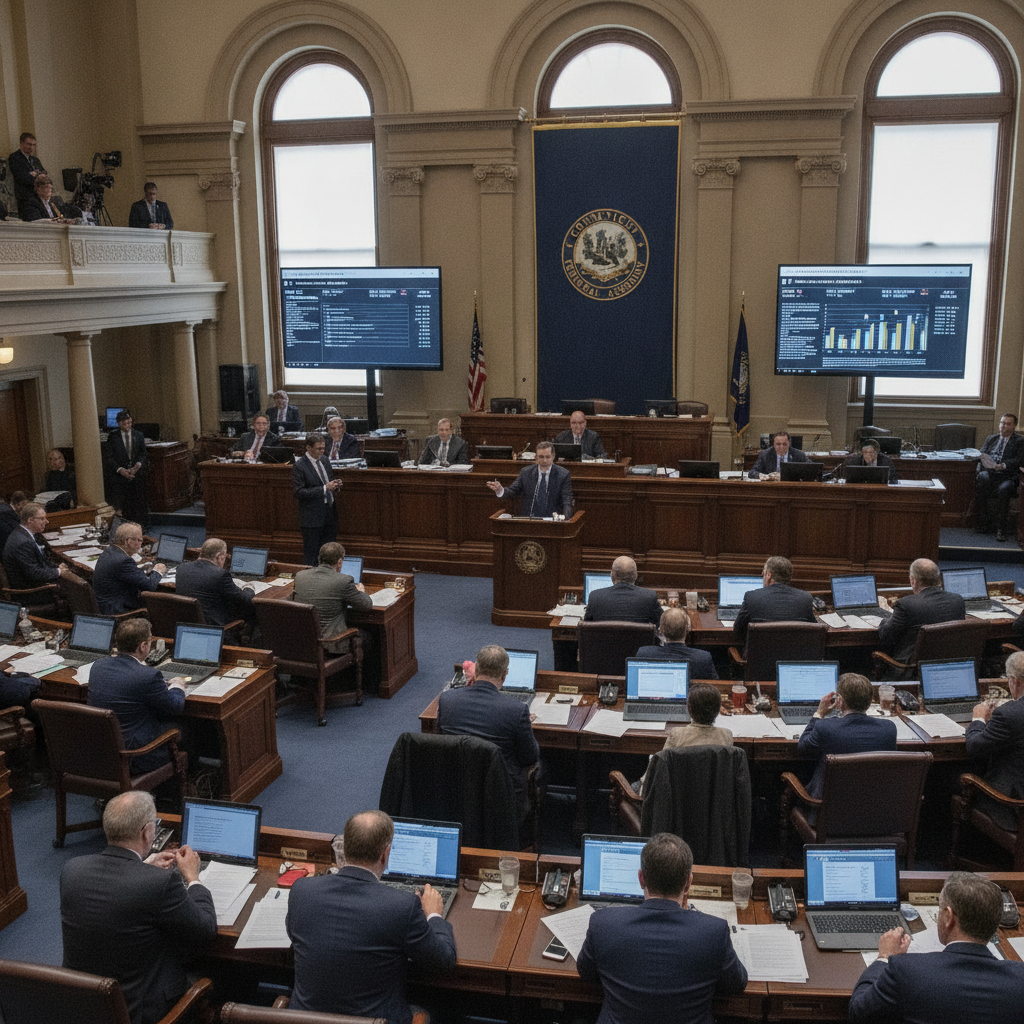
HARTFORD, CONNECTICUT — The Connecticut General Assembly has kickstarted its legislative session with a significant focus on mental health funding, responding to increased community needs exacerbated by the COVID-19 pandemic. This session holds particular importance as the state looks to enhance mental health support and address deficiencies uncovered in recent years.
As the need for mental health services continues to rise, lawmakers are deliberating various initiatives aimed at improving the access and quality of these services. There is a keen interest in restructuring funding strategies to ensure that all individuals, particularly those in underserved communities, can easily access mental health care. This includes proposals that aim to increase funding for outpatient services, community-based support, and preventive care initiatives(Connecticut Post).
Recent reports from health organizations in the state have shown a marked increase in mental health concerns among residents, a trend that has gained momentum since the onset of the pandemic. Officials have highlighted that issues such as increased anxiety, depression, and other mental health conditions have been reported at higher rates, underscoring the urgent need for legislative intervention. Efforts to expand the state budget for mental health are being strongly advocated by public health advocates and organizations(Hartford Courant).
One of the main focuses of the legislative proposals is to fortify mental health workforce capabilities. There is a consensus among policymakers that a well-trained workforce is essential to handle the escalating demand for mental health services. Legislative efforts include initiatives to enhance training programs for mental health professionals, with the goal of increasing the workforce's ability to deliver comprehensive care in a timely manner(NBC Connecticut).
Community organizations have been vocal about the need for increased mental health funding. Many are working closely with legislators to provide insights on localized needs and to ensure that funding allocations address specific issues faced by different communities across Connecticut. These collaborations are aimed at fostering a system where mental health services are not only accessible but also tailored to address varied community challenges effectively(CT Mirror).
While there is a general agreement on the need for increased funding, debates remain on the specific areas that require the most attention. Some state lawmakers argue for more investment in mental health education and public awareness programs, which could play a crucial role in preventive care and early intervention. Others believe that the focus should be on expanding crisis intervention programs and integrated care networks to reduce systemic pressures. The diversity of opinions underscores the complexities involved in mental health funding decisions(WFSB).
The legislative session also highlights the importance of integrating research-driven approaches into funding decisions. Mental health institutions are advocating for funding to support research into innovative treatment methods and service delivery models. These research findings are vital for informing policy decisions and ensuring that mental health strategies implemented by the state are both effective and sustainable in the long run(Yale News).
Public health departments are monitoring these legislative discussions closely, with an eye on how decision outcomes might reshape Connecticut's mental health landscape. The state stands at a critical juncture, where the legislative decisions made can significantly influence its capacity to provide mental health care and address gaps in service provision. Stakeholders are optimistic that the legislature's actions will lead to enhanced mental health infrastructure across the state(News 12 Connecticut).
The conclusion of this legislative session could set a benchmark for mental health funding and influence how similar issues are tackled in the future. The expectations are high for systemic improvements that would enable mental health services to better meet the rising demands and ensure long-term resilience of the mental health care framework in Connecticut. It remains to be seen how these discussions will materialize into actionable outcomes that can make a tangible difference in the lives of many state residents(New Haven Register).
Sources
- [1] Connecticut Post
- [2] Hartford Courant
- [3] NBC Connecticut
- [4] CT Mirror
- [5] WFSB
- [6] Yale News
- [7] News 12 Connecticut
- [8] New Haven Register