Mental Health Providers Face Workforce Shortages in Connecticut
By Therapy Connecticut · 2026-07-31
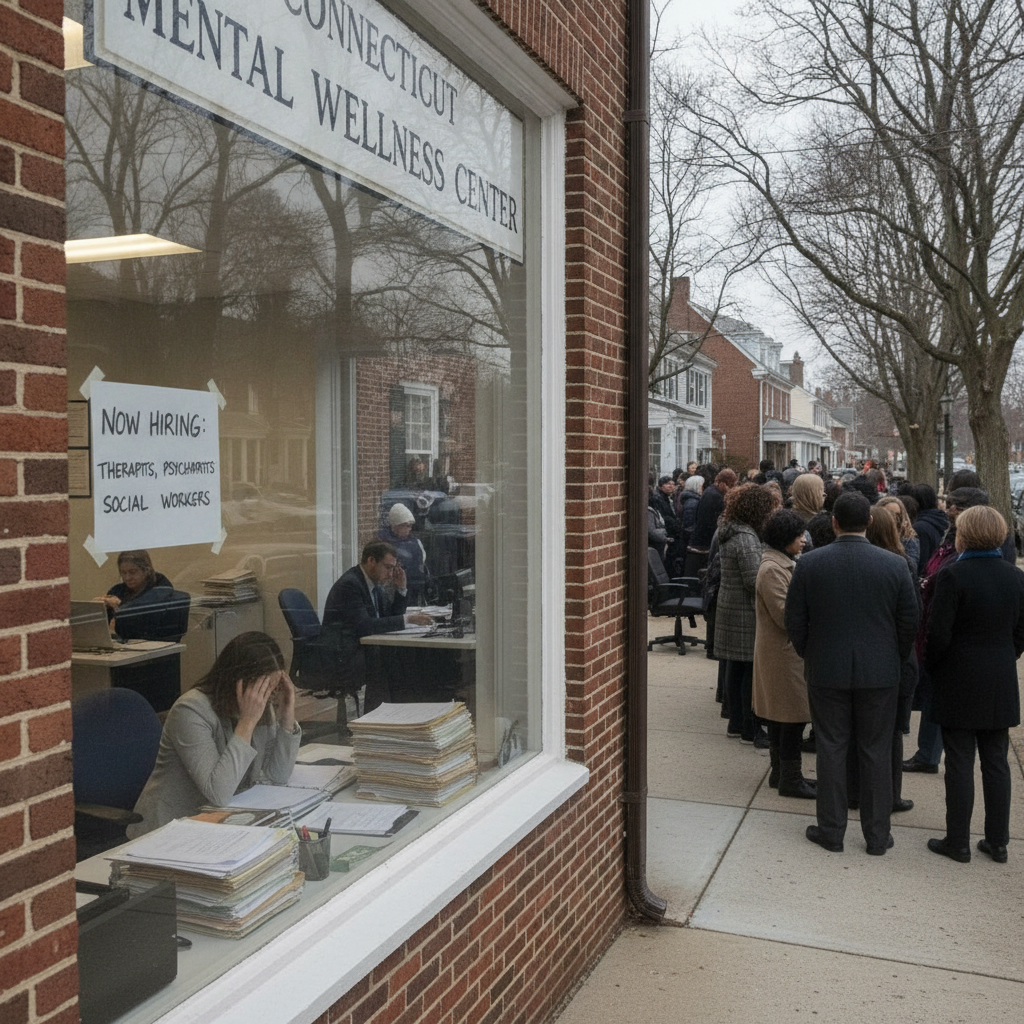
As the demand for mental health services rises, Connecticut faces a substantial shortage of qualified providers. Addressing these workforce challenges is crucial for meeting community needs.
HARTFORD, CONNECTICUT — The demand for mental health services in Connecticut has seen a sharp increase in recent years, driven by heightened awareness and reduced stigma surrounding mental health issues. However, this comes at a time when the state is grappling with a significant shortage of qualified mental health providers, impacting the delivery of care across the region. The shortage has raised concerns among health officials and professionals who stress the urgent need for strategic interventions to address workforce challenges and ensure adequate access to mental health care services for residents(Hartford Courant).
The shortage in the mental health workforce is not a new issue but has been exacerbated by a variety of factors. One major contributor is the aging population of current providers, with many nearing retirement without a sufficient influx of new practitioners to replace them. Additionally, the pandemic has strained the workforce, with many professionals facing burnout and leaving the field. This gap has resulted in longer wait times for patients and a growing backlog in mental health services delivery(CT Mirror).
Health department statistics indicate that certain areas in Connecticut are more severely affected by provider shortages, particularly in rural and underserved regions. These areas face compounded challenges due to limited resources and fewer providers willing to practice there. As a result, patients in these regions often need to travel long distances for care, which can be a significant barrier to consistent treatment. Some community leaders advocate for increased incentives to attract providers to these areas and reduce the disparity in care(CT News Junkie).
The state's educational institutions are also under pressure to increase the output of qualified mental health providers. Efforts are being made to expand capacity in mental health programs, but these initiatives take time to yield results. Moreover, challenges persist in retaining graduates in the field due to high student loan debts and relatively lower salaries compared to other professions with equivalent educational requirements. Addressing financial disincentives and improving working conditions are considered critical steps in attracting and retaining newly qualified professionals in mental health care(Yale School of Public Health).
Meanwhile, various health associations have been pushing for policy changes to alleviate the workforce shortage. These include proposals for the implementation of loan forgiveness programs tailored specifically for mental health professionals who commit to working in high-need areas. Lawmakers are also being urged to streamline licensing processes to enable out-of-state practitioners to join Connecticut’s workforce more easily. Such policy reforms could significantly bolster the number of available providers in the short to medium term(Connecticut Health Foundation).
From a patient care perspective, the provider shortage impacts the timeliness and effectiveness of treatment. Delays in receiving care can exacerbate mental health conditions and can lead to increased stress on emergency services as individuals seek urgent interventions when unable to access regular appointments. Health care providers are working to develop interim solutions, such as telehealth services, which have increased access to care during the pandemic and show promise as a long-term component of mental health service delivery(American Psychological Association).
In response to growing concerns, state health officials are collaborating with federal agencies to explore broader strategies aimed at building a more sustainable mental health workforce. This cooperation includes seeking federal grants and support for state-led initiatives, as well as integrating mental health services more deeply into primary health care settings to reduce the burden on specialist providers(Health Affairs).
Community-based organizations play a vital role in supporting mental health care and managing provider shortages. By leveraging volunteers and non-clinical staff trained in mental health first aid, these organizations help extend the reach of care to more individuals. Community initiatives also focus on preventative care and mental health education, aiming to reduce the severity of conditions and the demand on clinical resources(The Connecticut Community Foundation).
Going forward, the focus will be on creating a balanced and comprehensive approach that addresses both the immediate need for more providers and the long-term sustainability of the mental health workforce. Coordinated efforts among educational institutions, policy makers, and health care organizations will be crucial in overcoming the current challenges and ensuring that all residents of Connecticut have access to the mental health services they need.